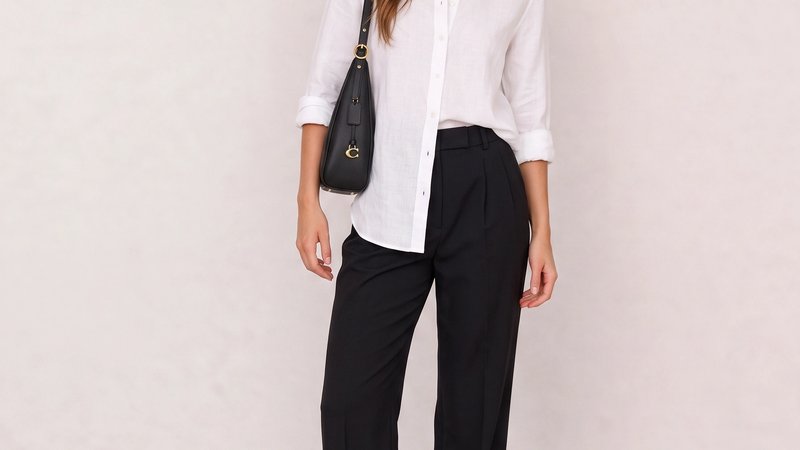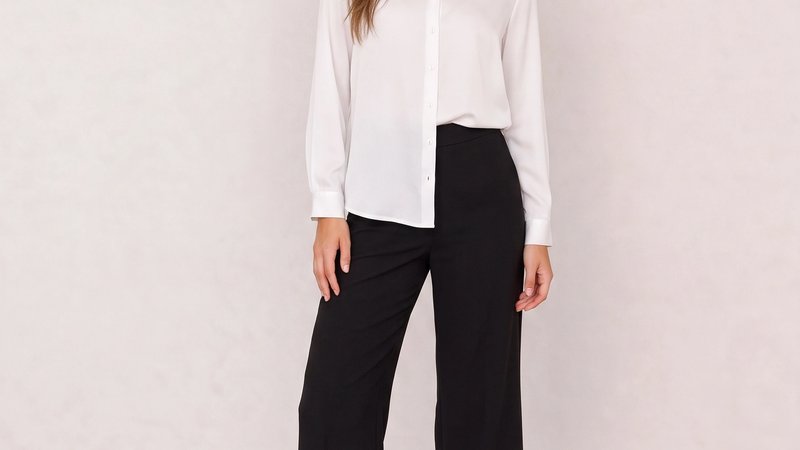
The Old Money Wardrobe Checklist: 7 Pieces to Own First
The old money wardrobe checklist that actually matters: 7 core pieces, why each one earns its place, and what to buy first on any budget.
STYLEFINDEN editorial review: checked before publication for wearability, proportion logic and real-life outfit use. We explain our editorial method and image policy on the About page and keep affiliate independence details in the affiliate disclosure.
Most old money wardrobe checklists you'll find online are just word-swapped versions of the same six items — a blazer, a white shirt, some pearls. That list is incomplete, and it explains why so many people who buy those exact pieces still don't land the aesthetic. Old money dressing isn't about owning tailored basics. It's about how those basics interact — proportion, fabric weight, and the restraint to stop accessorizing before it starts looking like a costume.
This checklist skips the generic advice and names the 7 pieces that actually build the wardrobe — with real outfit examples from Stylefinden's old money category, so you can see the proportion logic in practice, not just read about it. If you want the full history and philosophy behind the trend, our complete guide to old money style covers that ground. This piece is about what goes in the closet.
What Makes a Wardrobe Read as Old Money
Old money dressing signals inherited wealth rather than visible spending — muted colors, natural fabrics, tailoring that fits rather than logos that announce. It borrows its silhouette language from mid-century American and British sportswear, not from luxury branding. The clothes are supposed to look like they've always been there, not like they were bought for the aesthetic.
The mistake most people make when building this wardrobe is buying pieces individually and hoping they'll combine into the look. They won't. Old money dressing is a system of proportion relationships — a wide-leg trouser only reads correctly against a fitted or cropped top; a cropped waistcoat only works with volume below it. Buy the system, not the pieces.
1. The Tailored Blazer — Your Foundation Piece
This is the piece worth spending the most on, if you're going to spend on one thing. A blazer with real structure at the shoulder — not a soft, unlined version — carries the entire wardrobe's tailored logic. Everything else can be more relaxed if the blazer is doing its job.
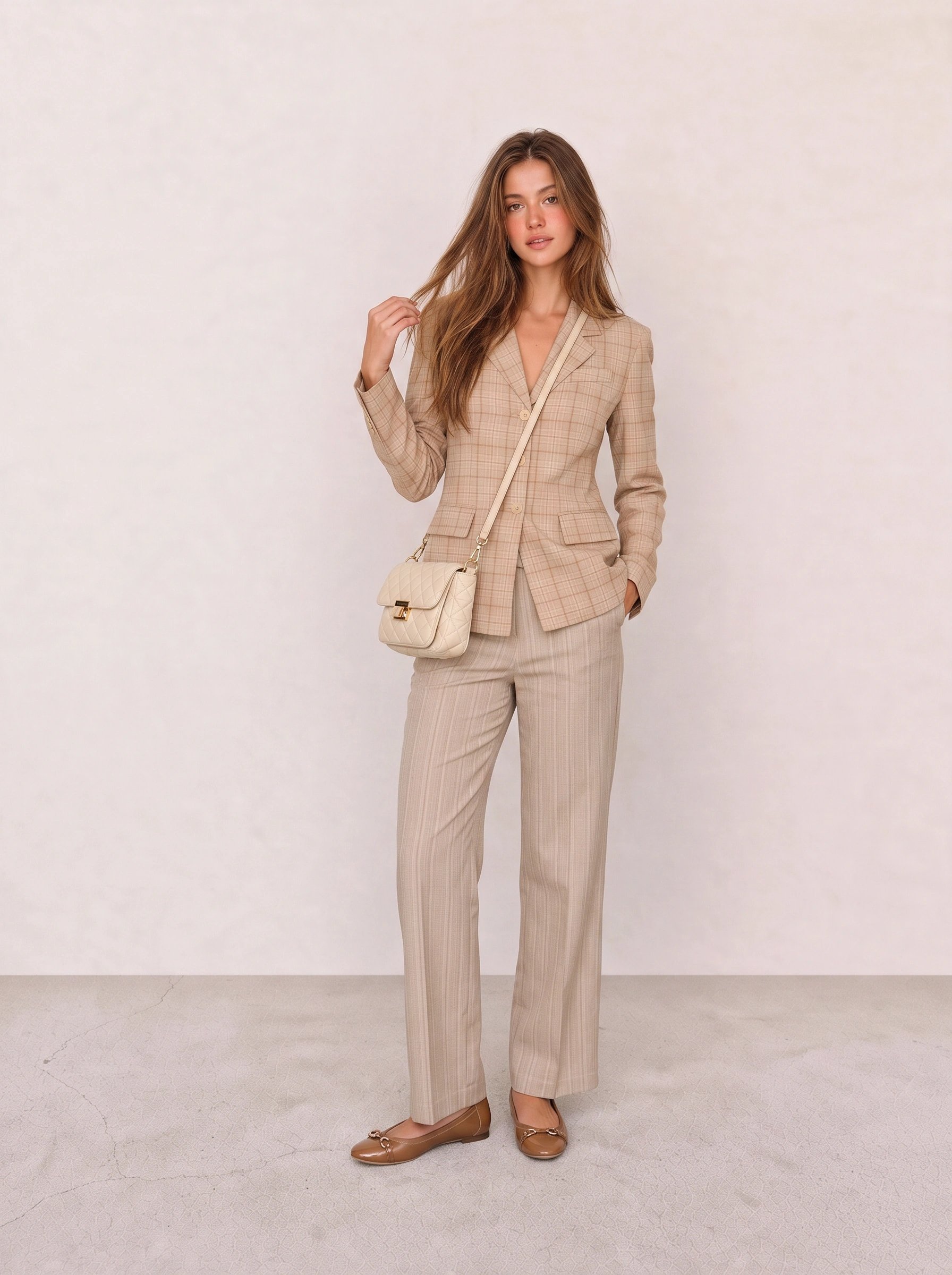
The mechanism in the Beige Plaid Tailored Blazer with Pinstripe Wide-Leg Trousers is scale contrast: the blazer's plaid is a large check, the trouser's pinstripe is fine and vertical. Two patterns in the same tonal family don't clash because their scale is different — that's the rule, not luck.
The formula: a structured check blazer, a fine-stripe wide-leg trouser, and a small quilted crossbody. Without the pattern-scale difference, this reads like a mismatched suit rather than an intentional pairing.
If you're buying just one blazer, choose beige or camel over black — it photographs warmer and pairs with more of the palette below.
2. A Waistcoat or Vest Top
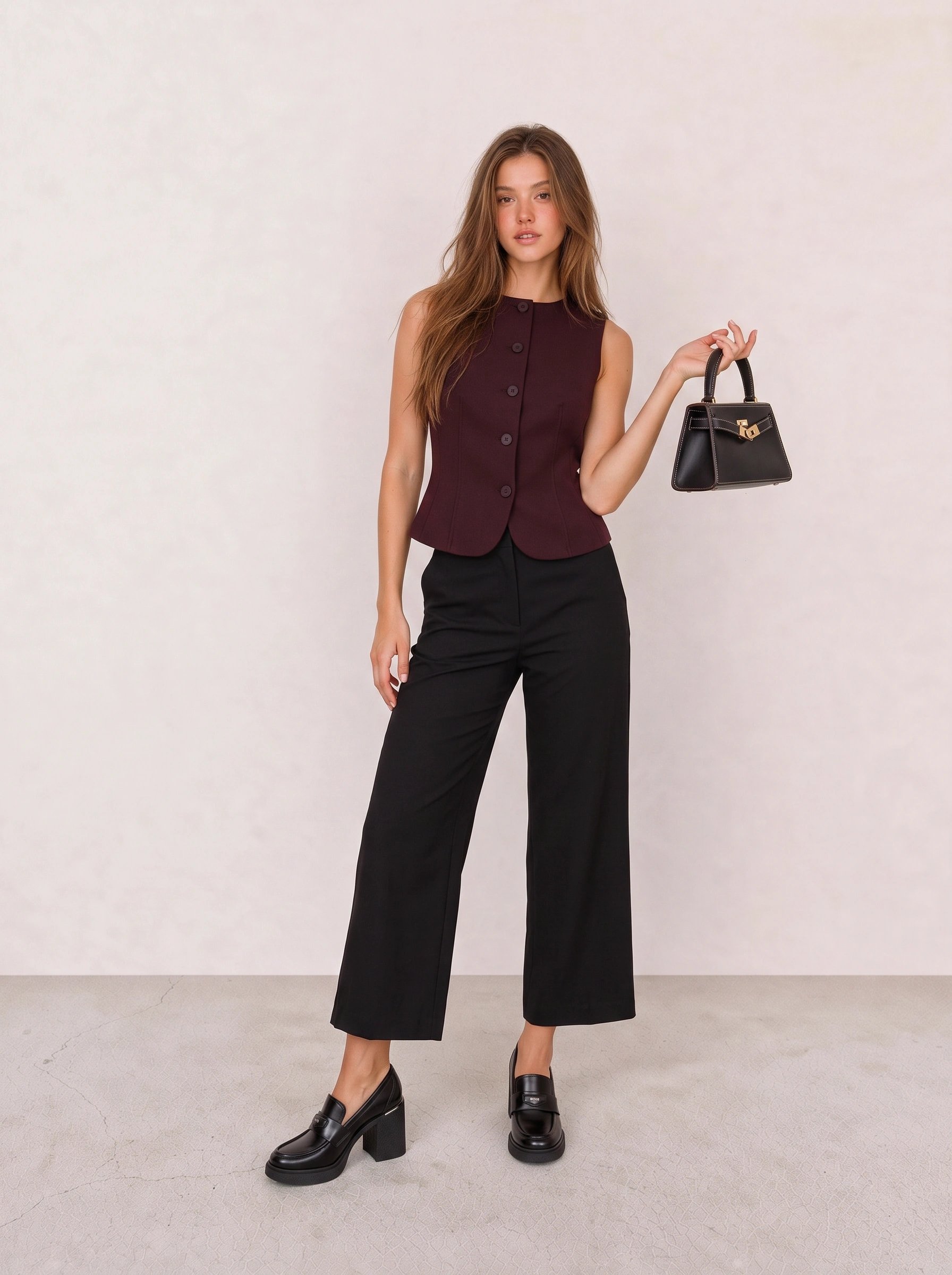
This is the outfit for a client lunch that runs long enough you need to still look sharp two hours in — nothing about it wilts or wrinkles the way a soft blouse might. The Burgundy Button-Front Waistcoat Top with Black Cropped Wide-Leg Trousers gets its structure from the waistcoat's close fit through the ribcage — it's the one piece in the wardrobe that requires no undergarment adjustment to sit correctly.
Skip a waistcoat with any stretch content — the aesthetic depends on the fabric holding its own shape, not molding to the body.
3. Ribbed or Cable Knitwear
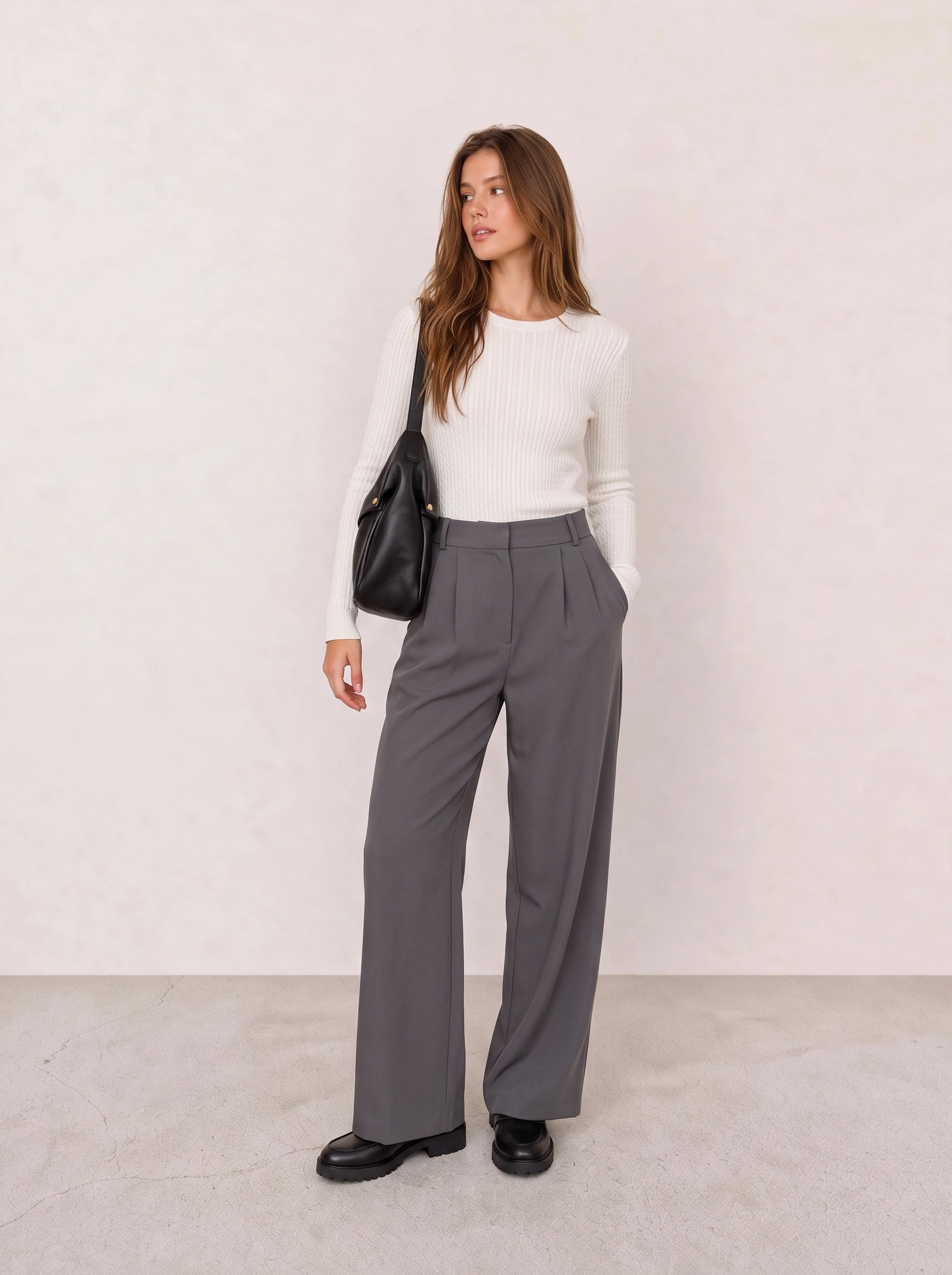
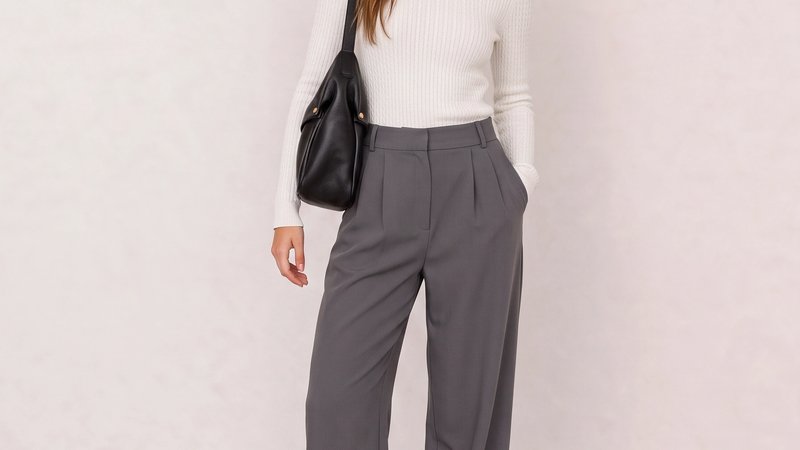
Color logic carries the Ivory Ribbed Knit Sweater with Charcoal Wide-Leg Trousers: ivory against charcoal is a high-value contrast without being a high-saturation one — it reads as considered rather than bold, which is the entire point of the aesthetic. Trend context worth knowing here — knitwear has become the current signature of old money dressing, replacing the boxier, boarding-school-cardigan version of the trend from a few years back with a more fitted, ribbed silhouette that works closer to the body.
Ribbed knit worth owning in ivory or oatmeal before black — the lighter tone is what makes the charcoal trouser look intentional instead of just dark.
If I had to recommend a starting point to someone building this wardrobe from zero, it's the knitwear-and-trouser pairing above. It's the cheapest of the seven to get right and the hardest to get visibly wrong.
4. Wide-Leg Trousers or Wide-Leg Jeans
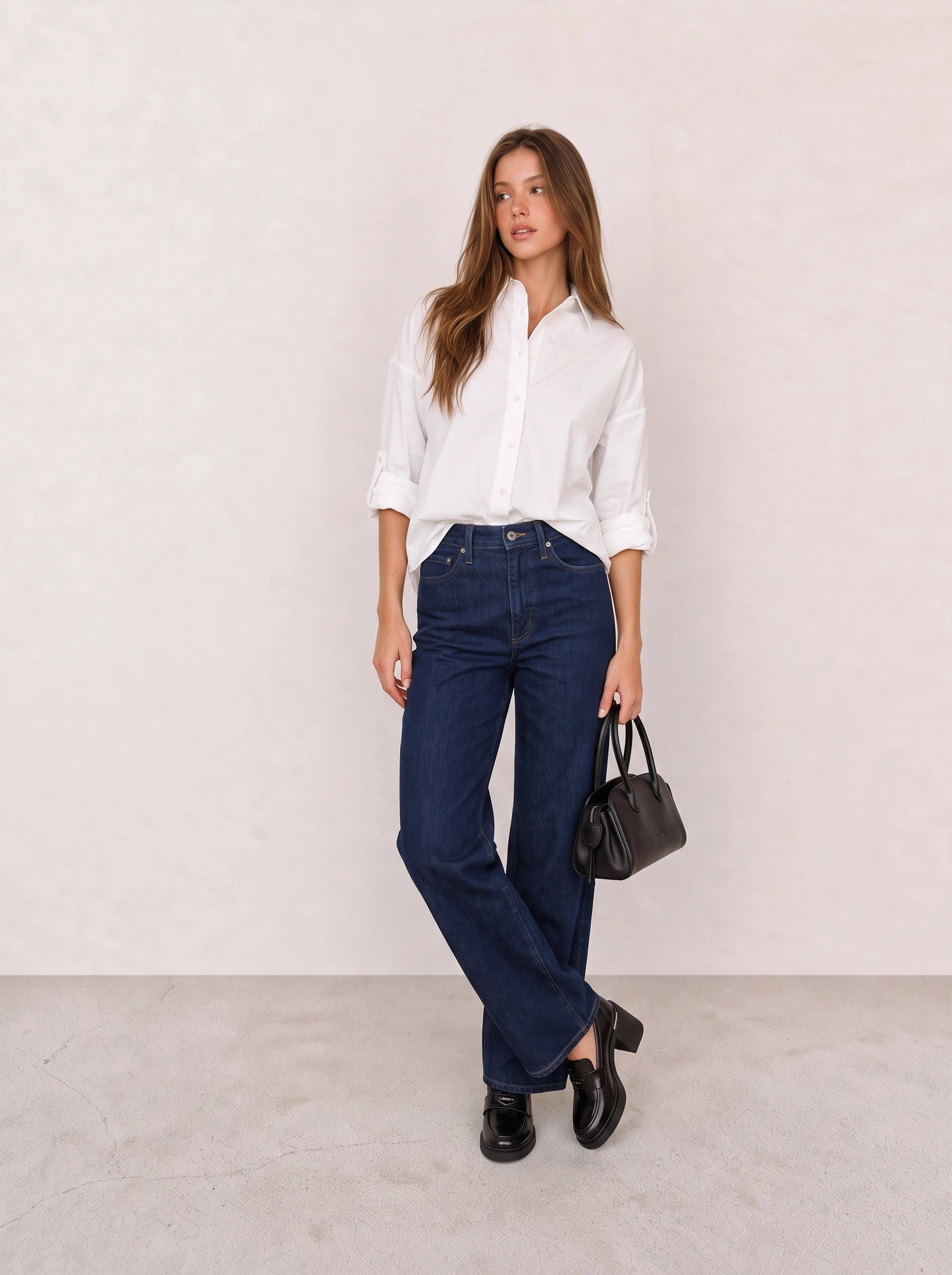
Silhouette is the whole argument in the White Button-Down Shirt with Dark Blue Wide-Leg Jeans. Wide-leg denim is the one entry point into this aesthetic that most people already own something close to — the trouser cut is what elevates it, not the fabric. A high waist matters here specifically because it's what stops wide-leg denim from reading as loungewear.
The formula: a crisp white button-down, a high-rise wide-leg denim in dark indigo, and a block-heel loafer. Without the block heel, the proportion collapses — a flat shoe under this much trouser volume looks unfinished, not casual.
5. Loafers — Buy These Before Heels
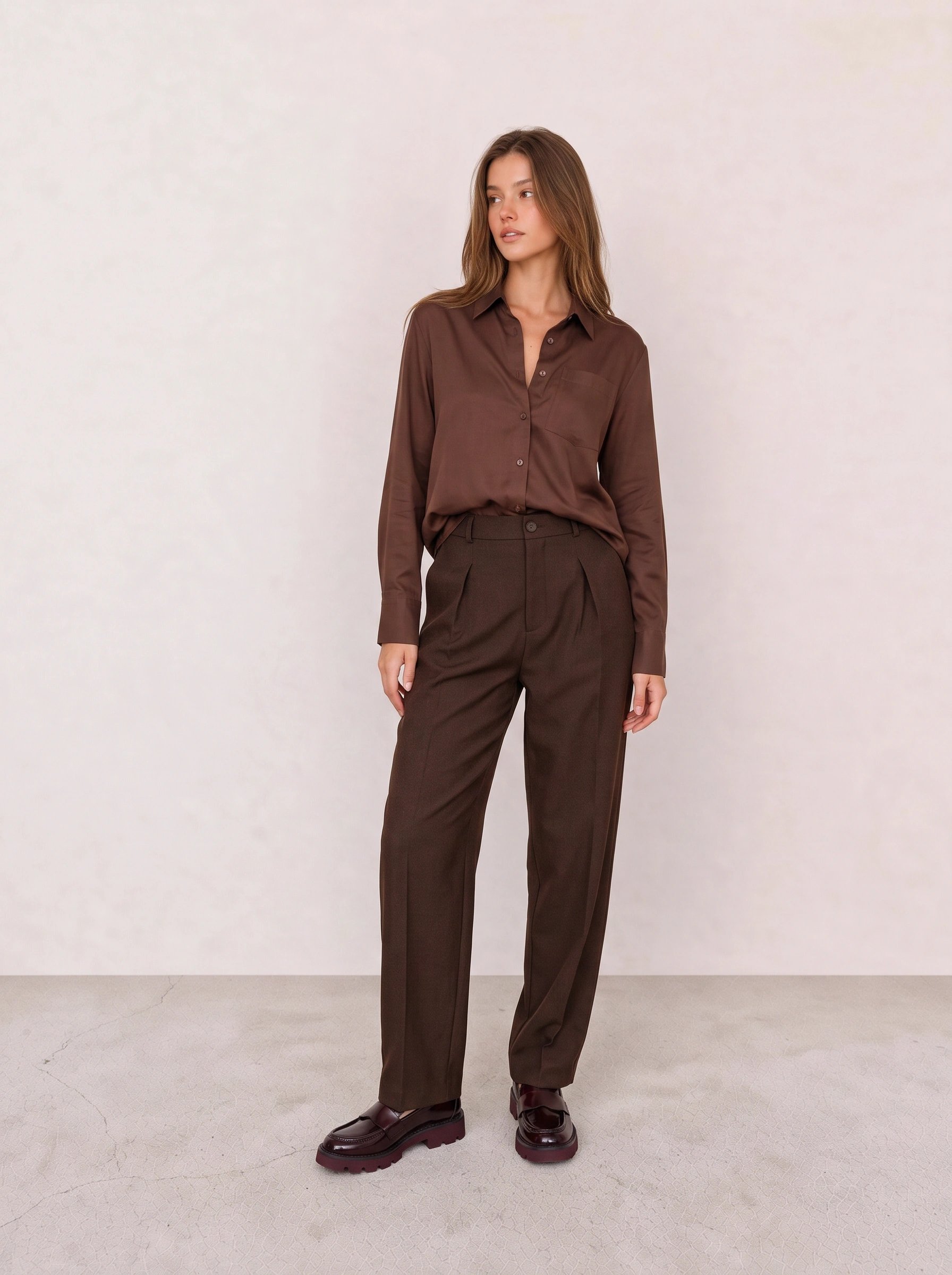
Counterintuitively, loafers do more for this wardrobe than any heel. The Brown Button-Down Shirt with Brown Pleated Tapered Trousers proves the point — a tonal, monochrome brown outfit needs exactly one break in the palette to avoid looking flat, and the burgundy lug-sole loafer is doing that entire job. This outfit works for a Saturday spent moving between an errand-heavy morning and an unplanned coffee that turns into two hours — nothing about it needs adjusting between the two.
A loafer with a thin, dressy sole undercuts the whole wardrobe's practical logic — this aesthetic favors a lug or block sole because it reads as substantial, not delicate.
6. Tailored Shorts for Warm Weather
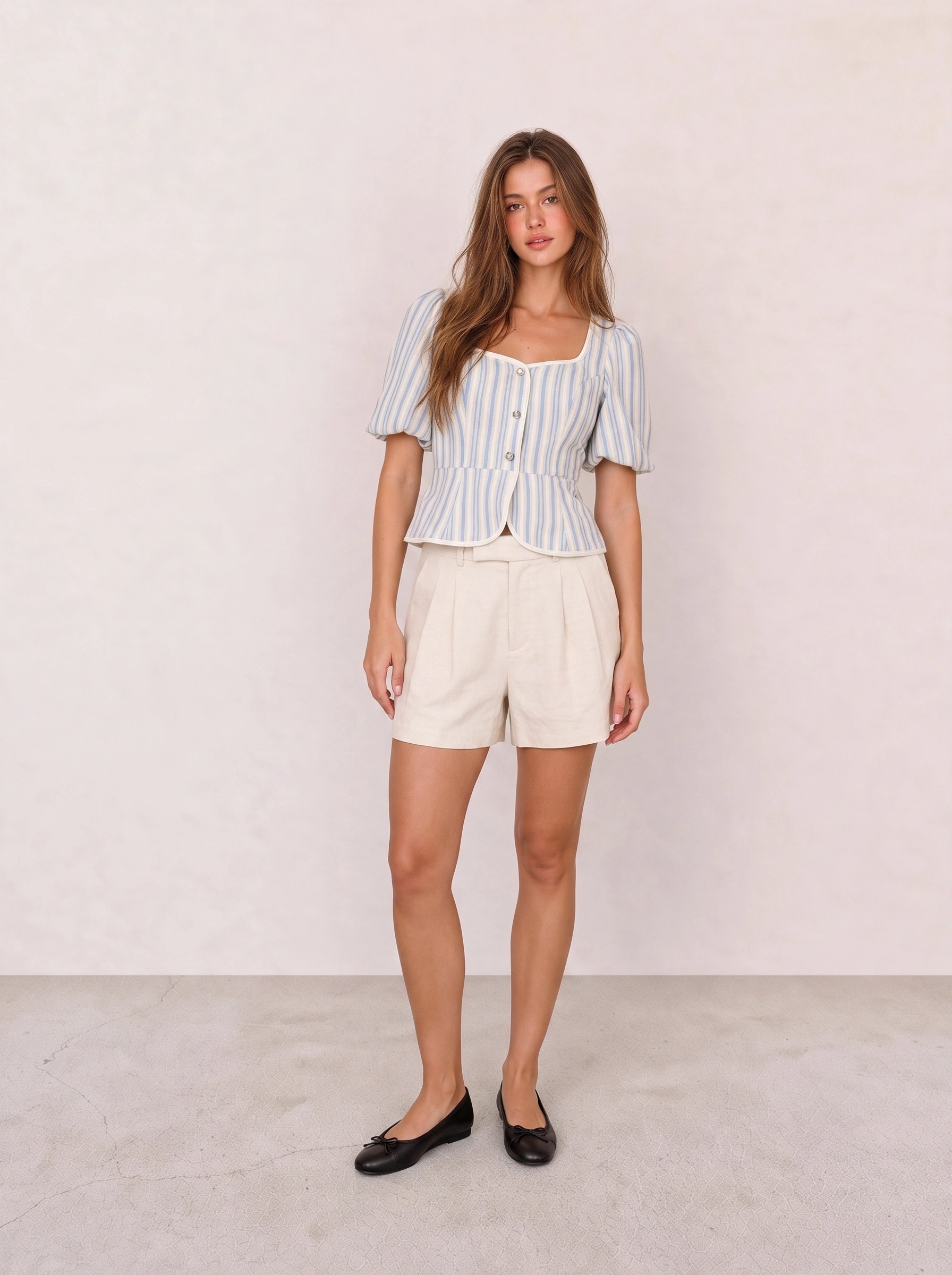
Most people assume summer breaks the old money formula because tailoring feels heavy in heat. It doesn't — pleated tailored shorts carry the same structured logic as trousers, just cropped.
In the Blue Striped Puff-Sleeve Peplum Blouse with Beige Pleated Tailored Shorts, the peplum hem defines the waist so the pleated short can sit away from the body without looking shapeless. Without that defined waistline, the outfit would read as a matching pajama set rather than tailoring.
Worth noting — the trend is moving away from head-to-toe neutral monochrome toward small, controlled color moments like the burgundy loafer or the striped blouse above. Flat beige-on-beige is starting to read dated; a single considered color break is what looks current in 2026.
7. A Lightweight Cardigan for Layering
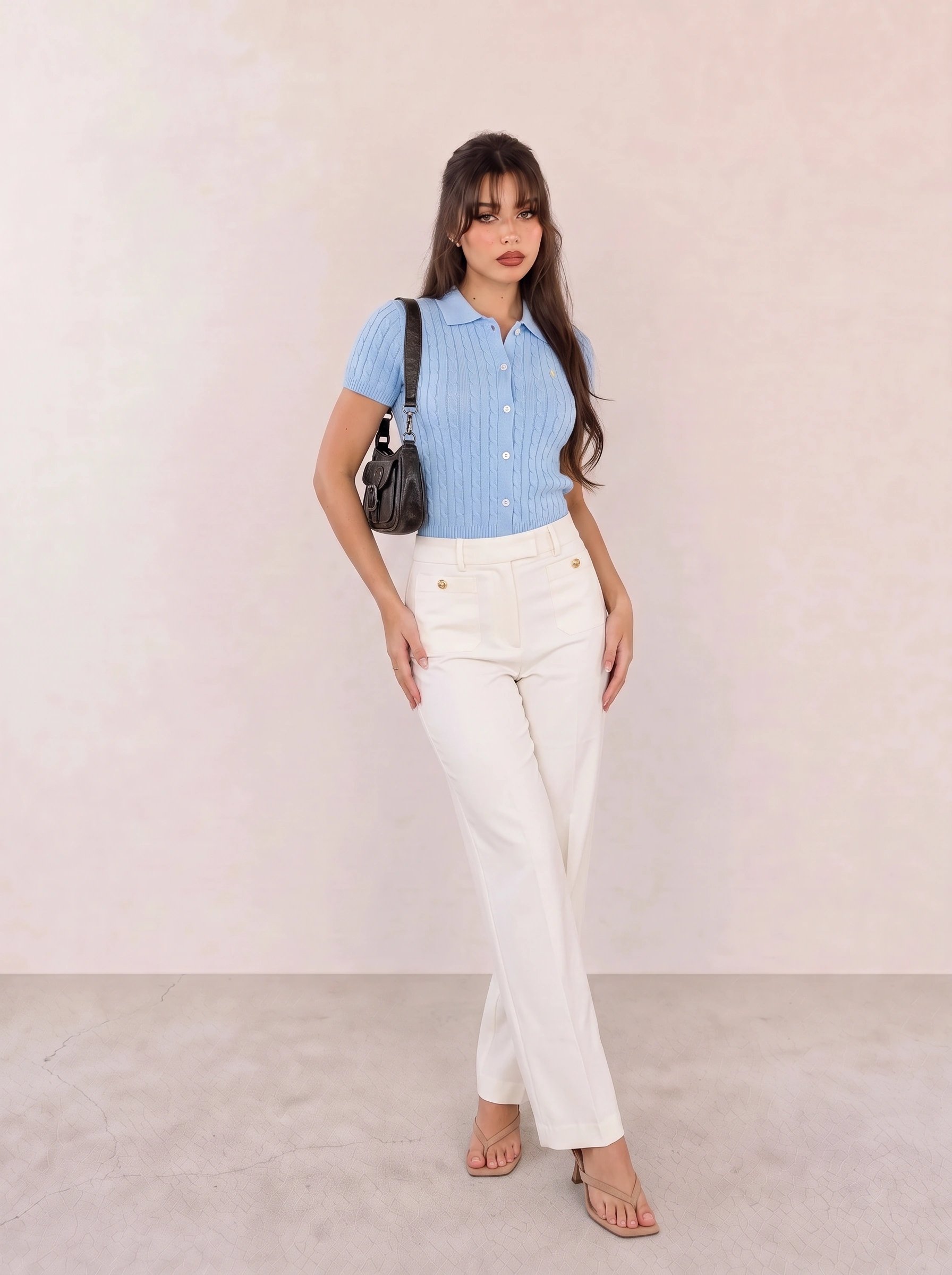
The proportion trick in the Light Blue Short-Sleeve Knit Cardigan with White Wide-Leg Trousers is the short cardigan hem sitting right at the natural waist — it's the detail that keeps an all-pastel outfit from reading as bridal or precious. This is the outfit for a garden lunch in early June, the kind where you're seated outside just long enough that a full sweater would be too warm and bare arms would be too cold.
If you only own one of these seven pieces to start, make it a neutral trouser rather than the cardigan — the cardigan is the easiest to substitute later; the trouser is the anchor everything else needs.
The Old Money Styling Mistake That Ruins Everything
Layering three or more logo-visible accessories — a monogrammed bag, a branded belt buckle, a logo scarf — collapses the entire aesthetic in one move. Old money dressing is defined by the absence of visible branding, not the presence of quiet ones. One structured, unbranded bag says more than three labeled pieces stacked together.
Where to Spend and Where to Save
Spend on the blazer and the trousers — fabric weight and drape are visible immediately in tailoring, and a cheap version looks cheap from across a room. Save on knitwear and cardigans, where a well-fitted mid-range piece in the right color does the same visual job as an investment one. Loafers sit in the middle: worth a mid-range spend for the sole quality, since this is the piece you'll wear most often and re-sole rather than replace.
Seven pieces, built as a system rather than a shopping list, will take you further than twenty pieces bought without a plan. Start with the trouser and the knitwear — the rest of the wardrobe builds outward from there.
Weekly outfit picks and style guides — no fluff, unsubscribe anytime.