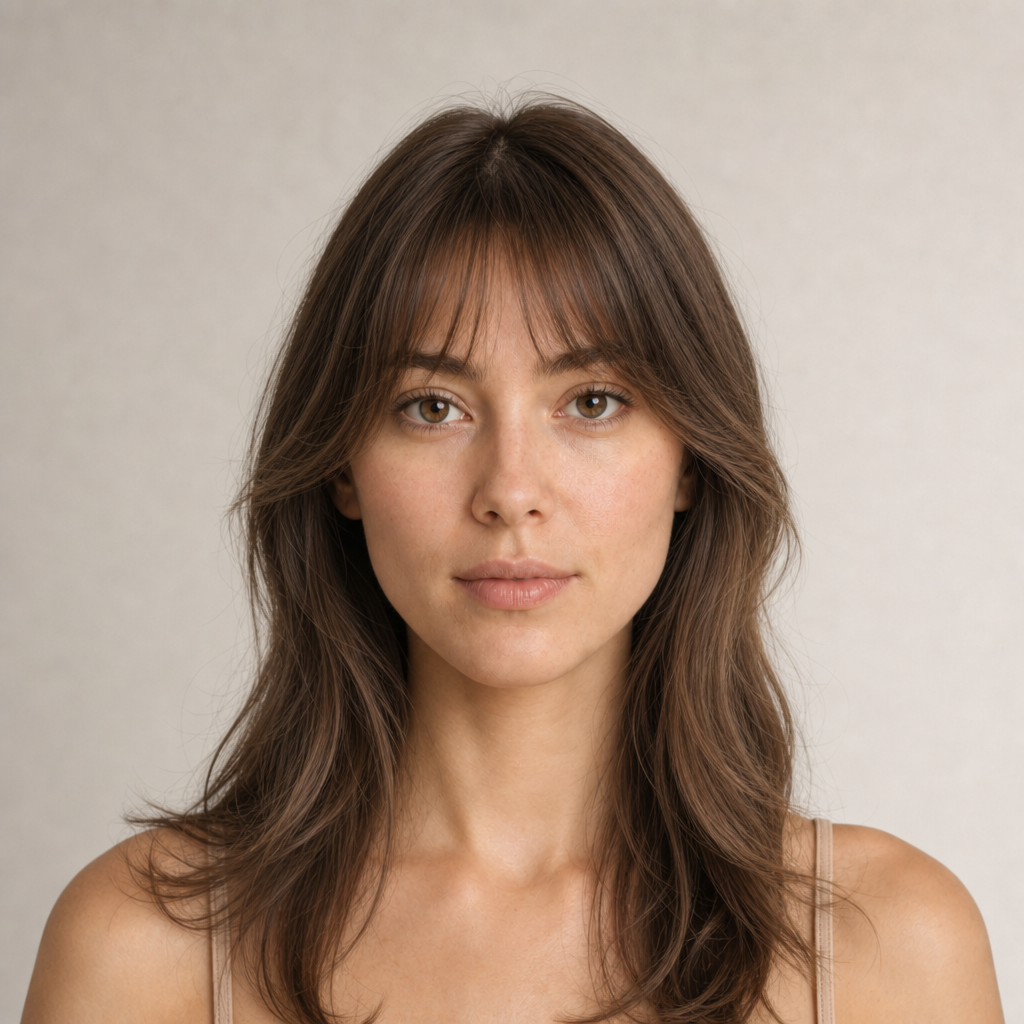
AI-generated styling image for visual reference only.
Curtain Bangs with Long Layers
Face-framing curtain bangs part gently over the forehead, narrowing its width while long layers cascade past the cheekbones to soften a diamond face's most angular point. The result is a fringe that opens up the eyes without emphasizing the pointed chin below.
From the Blog
Wearing this with a diamond face
A diamond face is widest across the cheekbones, with a narrower forehead and a narrow, sometimes pointed chin. The cheekbones are the standout feature and the top and bottom taper in.
Fringe, a textured bob and volume through the ends are starting points when you want framing at the forehead or jaw.
Slicked-back styling or concentrated cheek-level volume puts the focus on the cheekbones. It is a strong option when that is your aim.
Can you place the fringe and layers around my natural part and texture so they are practical between appointments?
What it takes to wear
- Maintenance
- Medium upkeep
- Styling time
- 10-15 minutes
- Best hair type
- Wavy hair
Rough-dry the layers, then use a round brush only on the fringe and face-framing pieces. Finish with texture spray through the mids and ends so the cut keeps separation instead of collapsing flat.
Accessories for a diamond face
The same balance that guides this cut applies to the frames and earrings you reach for. These guides pick the shapes that flatter a diamond face.
Related hairstyles
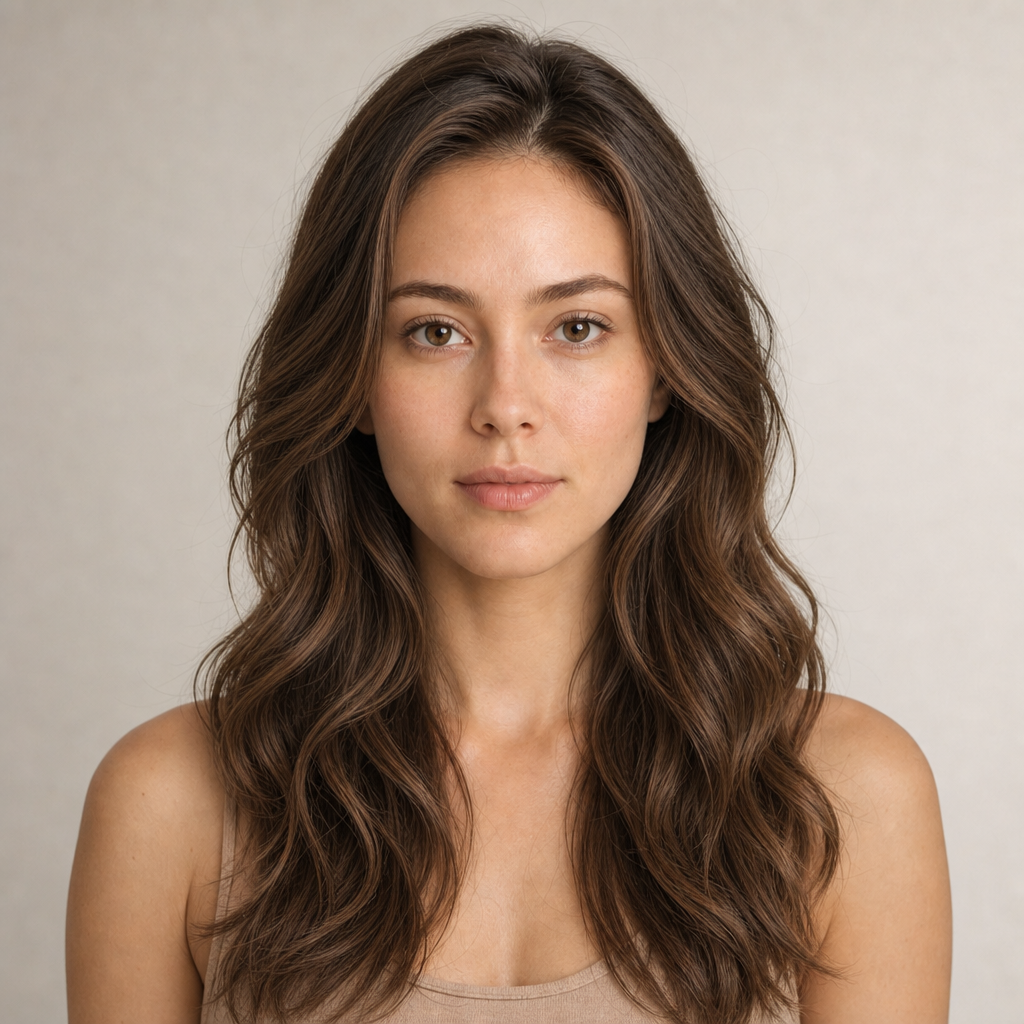
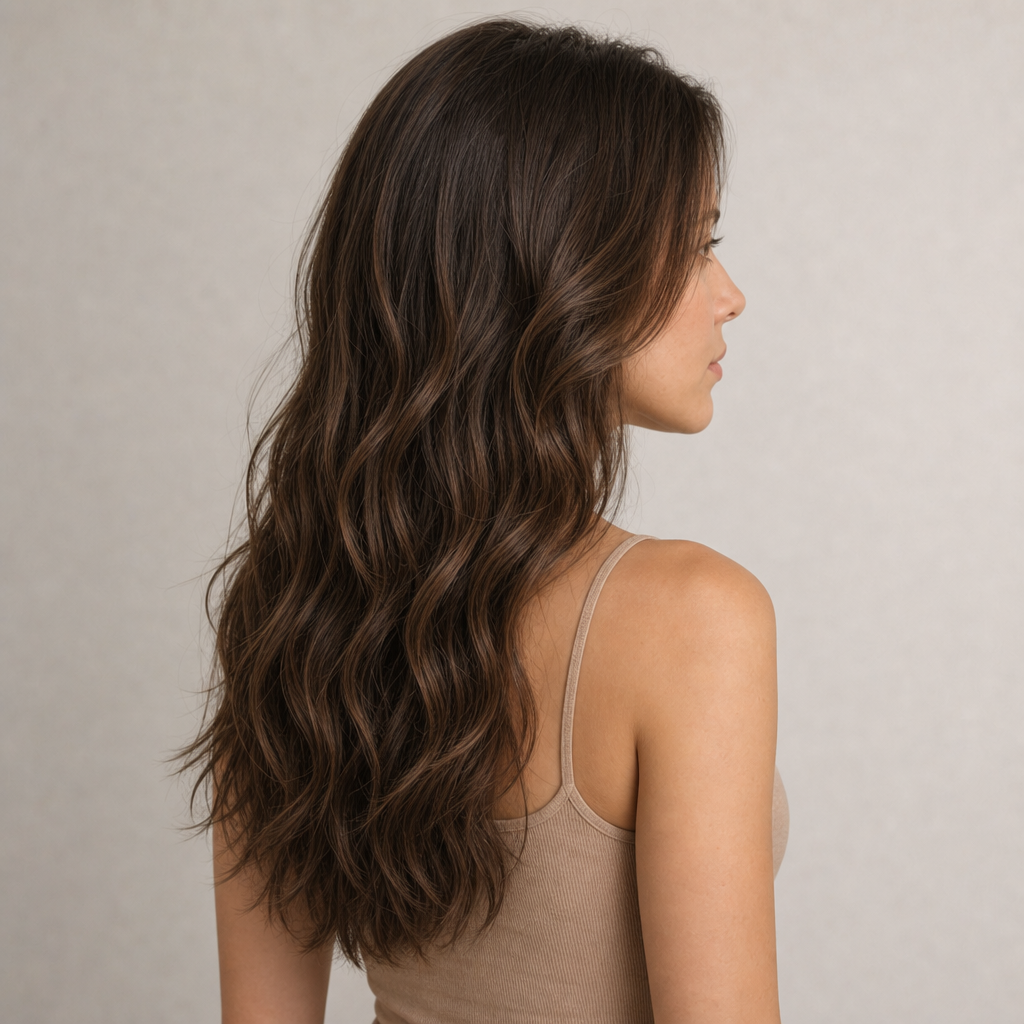
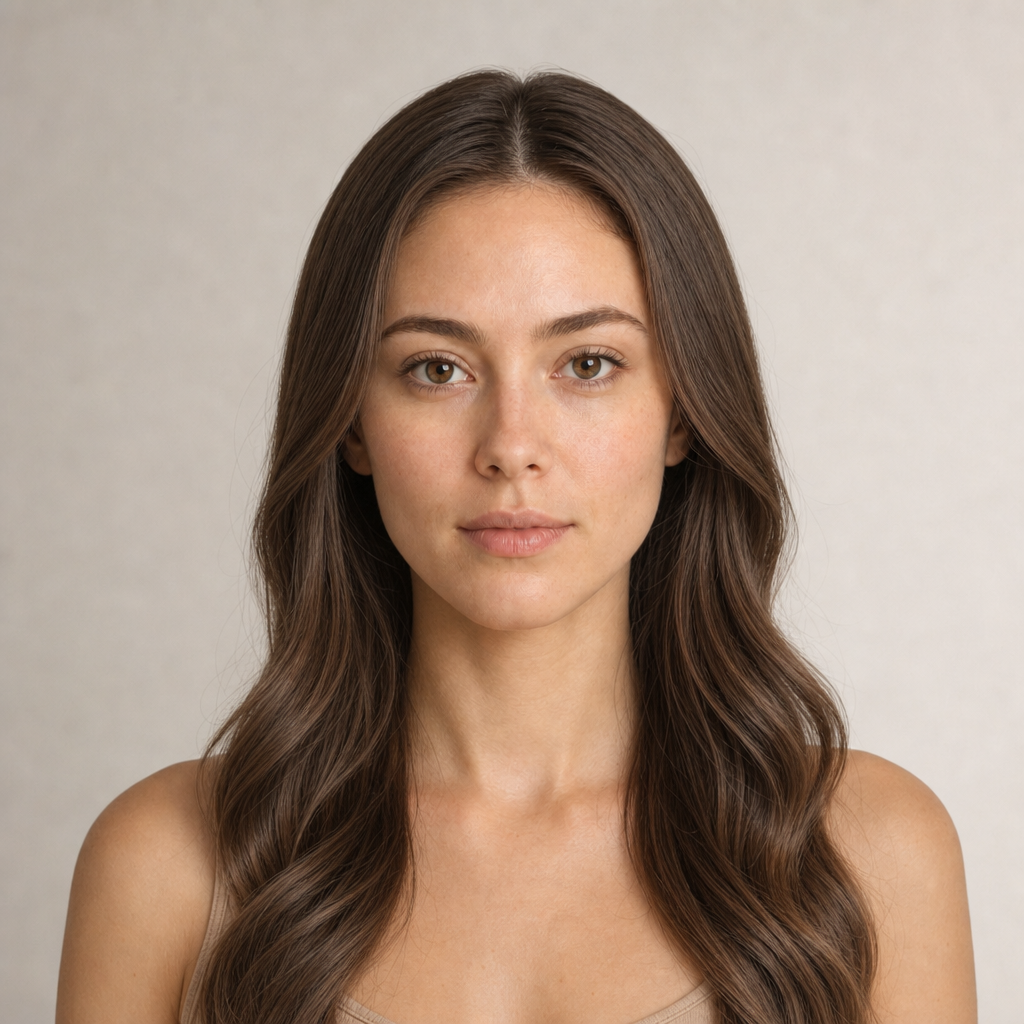
Long Beach Waves
Loose, undone waves add width at the jaw and forehead, softening the pronounced cheekbones that define a diamond face shape. The relaxed, textured movement throughout the length keeps the silhouette rounded rather than angular, for an effortless everyday look.
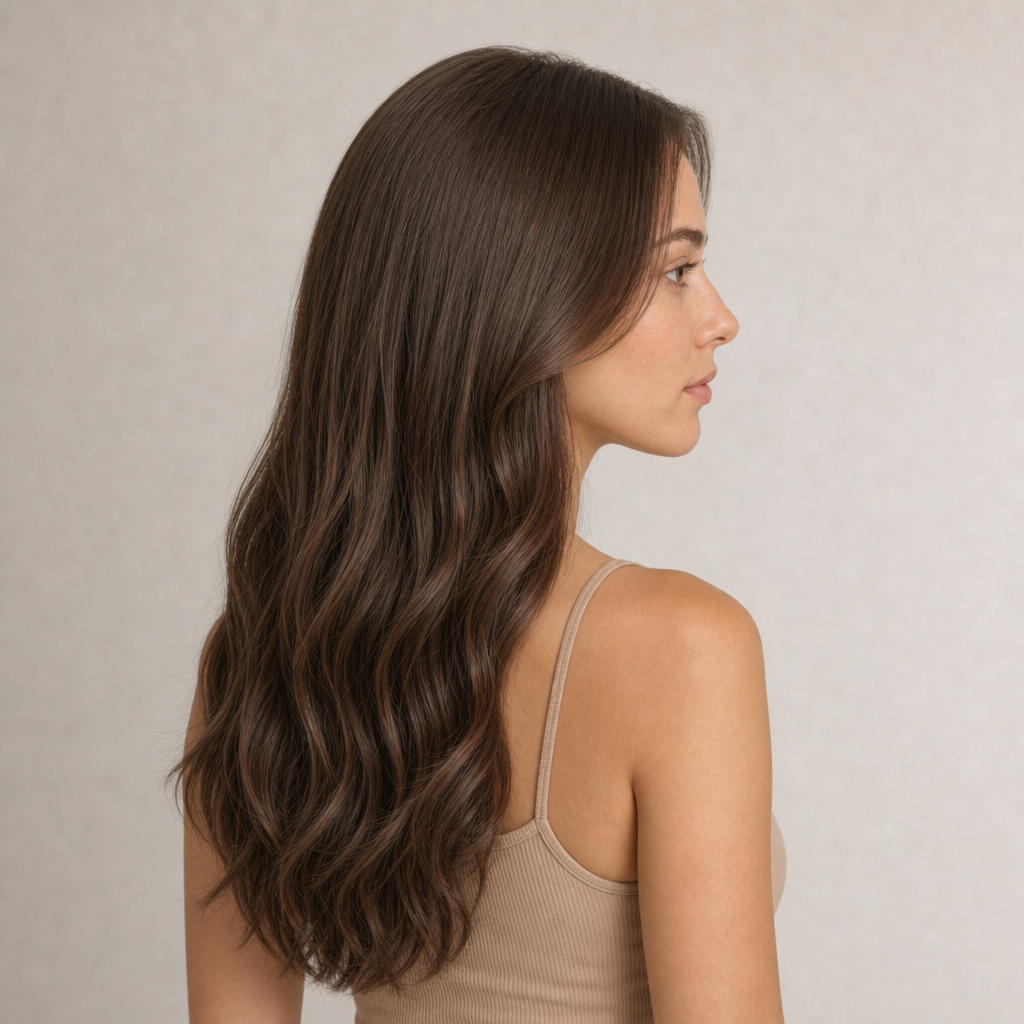
Sleek Long Layers
Smooth, sleek layers fall straight past the cheekbones, gently grazing the diamond face's widest point rather than framing it tightly. The polished finish elongates the face while subtle layering at the ends keeps the narrow chin from looking too sharp.

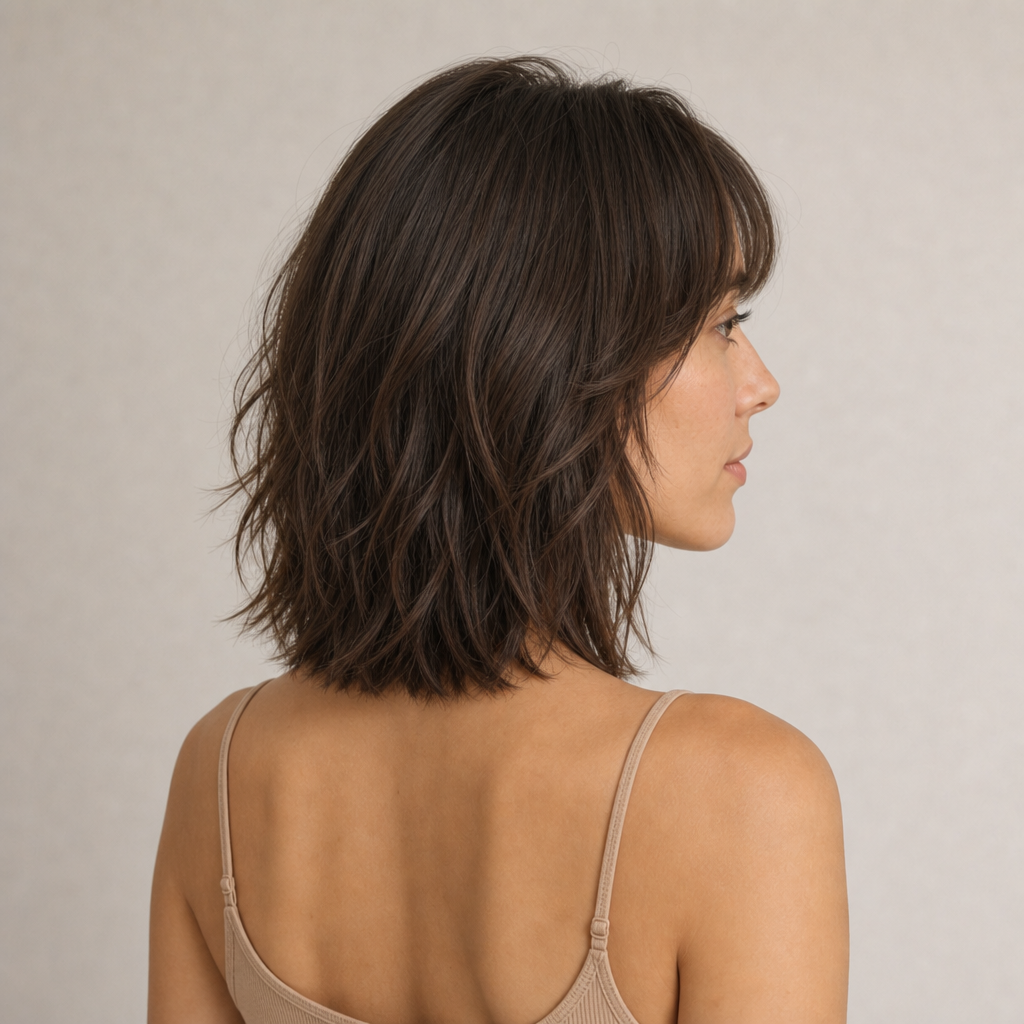
Shag Cut with Bangs
Choppy, textured layers throughout a shag cut add volume at the forehead and jaw, filling out the narrower points of a diamond face shape. Wispy bangs break up the width of the cheekbones, creating a soft, effortlessly edgy frame for angular features.

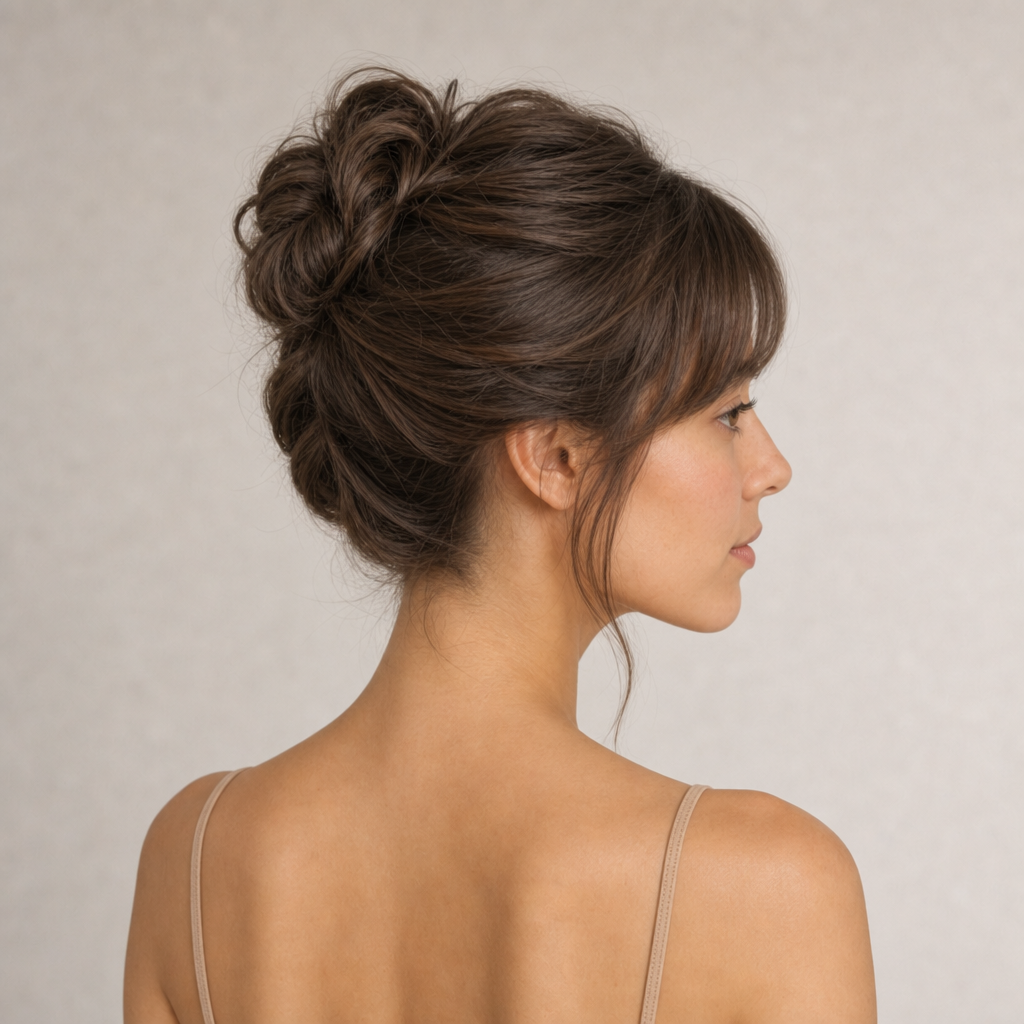
Blunt Bangs with Top Knot
Sharp, blunt bangs soften the widest point across the cheekbones, while a sleek top knot lifts hair up and away to balance a diamond face's narrow forehead and chin. The strong horizontal line at the brow works as a visual anchor, keeping the eye from lingering on angular cheeks.
Wear this look without a haircut
Not ready to commit to the chop? A quality wig lets you test the shape, length and color before you decide — no appointment required.
Common questions about this cut
- Why do curtain bangs with long layers suit a diamond face?
- A diamond face is widest at the cheekbones and narrows at both the forehead and the chin. Curtain bangs add visual width across the forehead where the face is narrowest, and long layers falling past the cheekbones soften the widest point instead of drawing more attention to it. The result is a more even, balanced outline.
- How long should the bangs be for this cut?
- Cut the curtain bangs to hit around the cheekbone or slightly below. On a diamond face, bangs that stop at the brow can make the forehead look even narrower; longer face-framing pieces that blend into the layers keep the proportions balanced and give you more ways to style them back.
- How much daily styling does it take?
- It is a medium-maintenance style. Rough-dry the layers, then spend a couple of minutes with a round brush on the fringe and the front face-framing pieces so they fall open. A little texture spray through the mid-lengths keeps the layers separated rather than flat.
- What hair type is this cut best for?
- Straight to wavy hair holds the long-layered shape and the soft split of curtain bangs most predictably. Very fine hair benefits from fewer, longer layers so the ends don't look wispy; thick hair can take more internal layering to remove weight without losing the length.