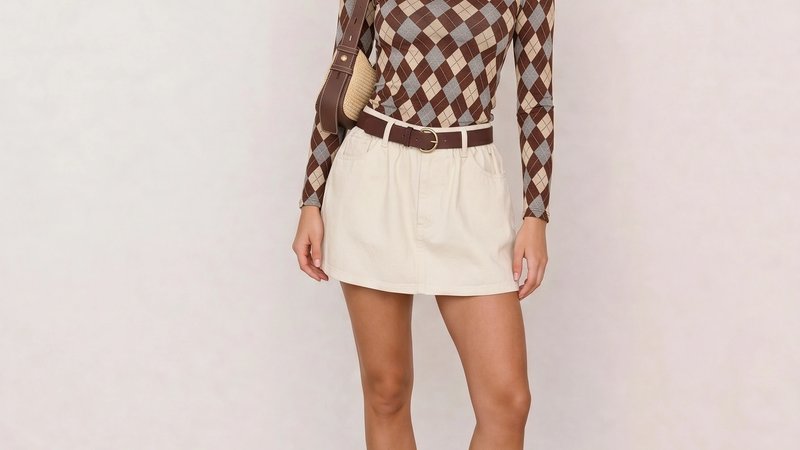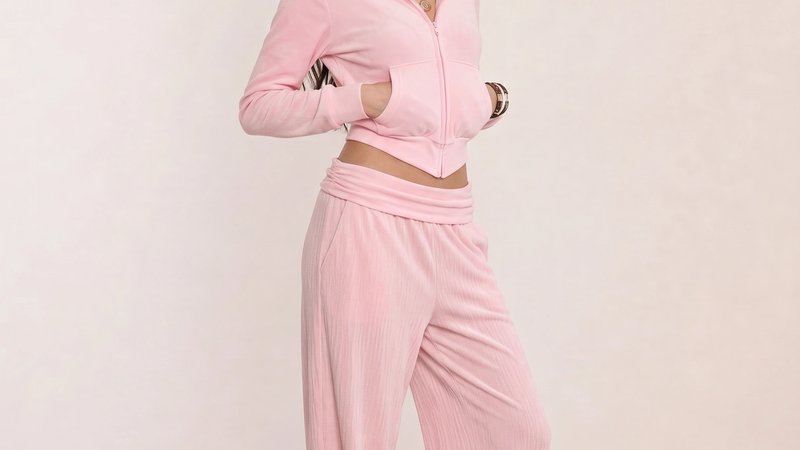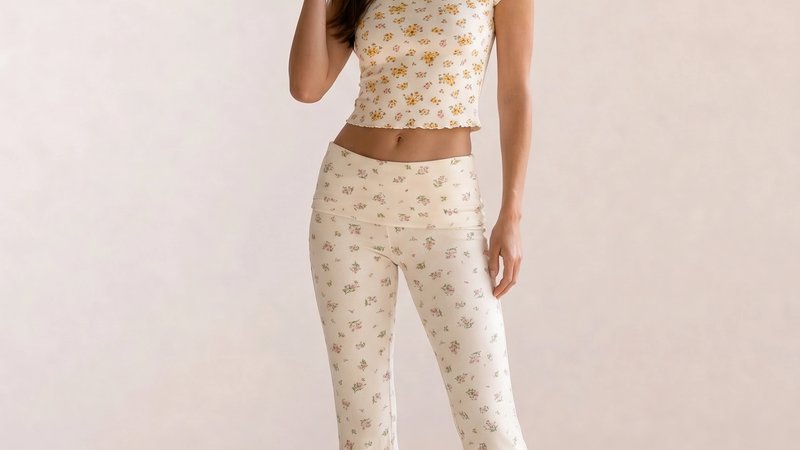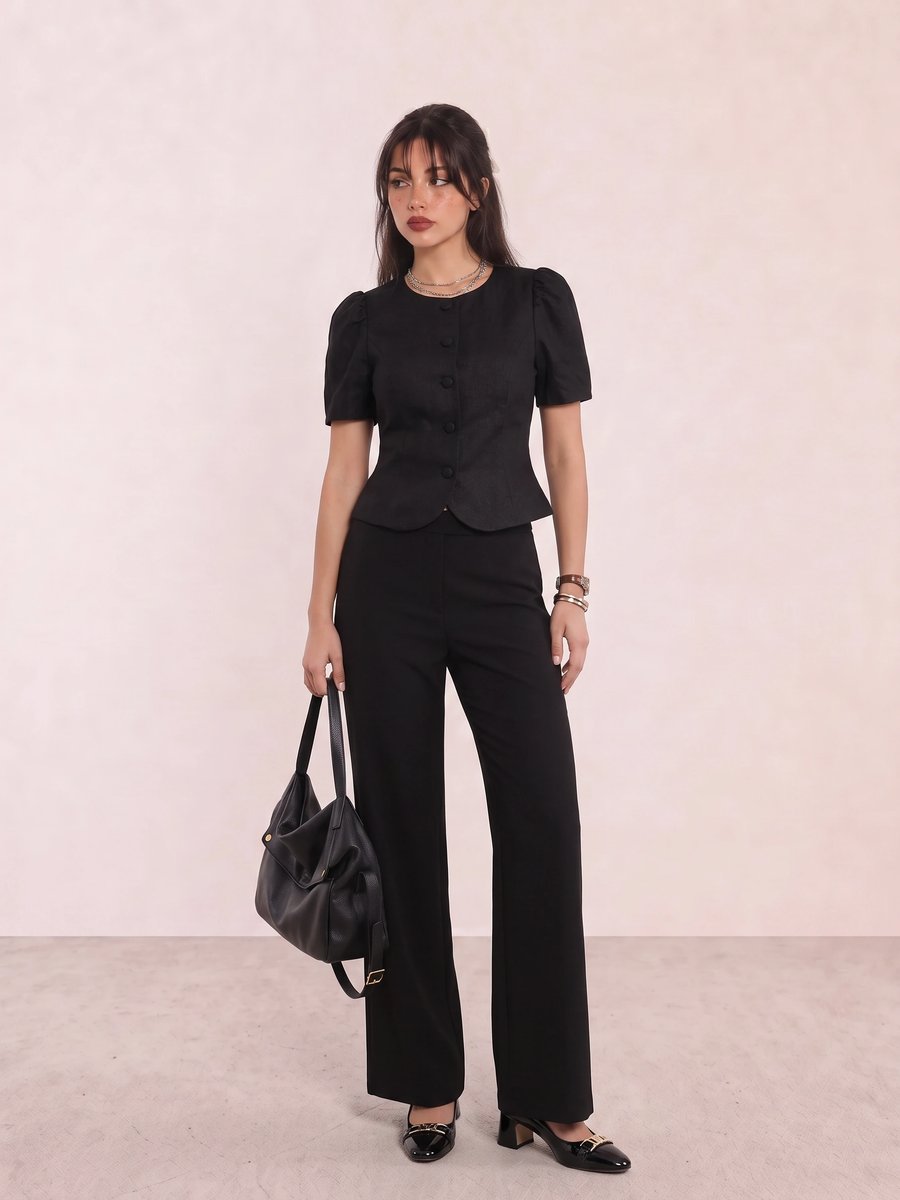
Monochrome Outfit: What It Means and How to Wear One
A monochrome outfit uses one color family from head to toe. Learn the meaning, styling rules, texture tricks and mistakes to avoid.
STYLEFINDEN editorial review: checked before publication for wearability, proportion logic and real-life outfit use. We explain our editorial method and image policy on the About page and keep affiliate independence details in the affiliate disclosure.
Ask five people what "monochrome" means and you'll likely get five different answers. Some think it means all black. Others assume it means matching, head to toe, the exact same shade. Neither is quite right, and that confusion is exactly why the term gets misused so often in fashion writing.
A monochrome outfit is one of the simplest style concepts to understand and one of the hardest to execute well. Get it right, and it looks deliberate and expensive. Get it wrong, and it reads as an accident, like you grabbed whatever was clean. This guide breaks down what the term actually means, where it came from, and how to wear it without falling into the traps that make monochrome dressing look flat instead of intentional.
What Is a Monochrome Outfit?
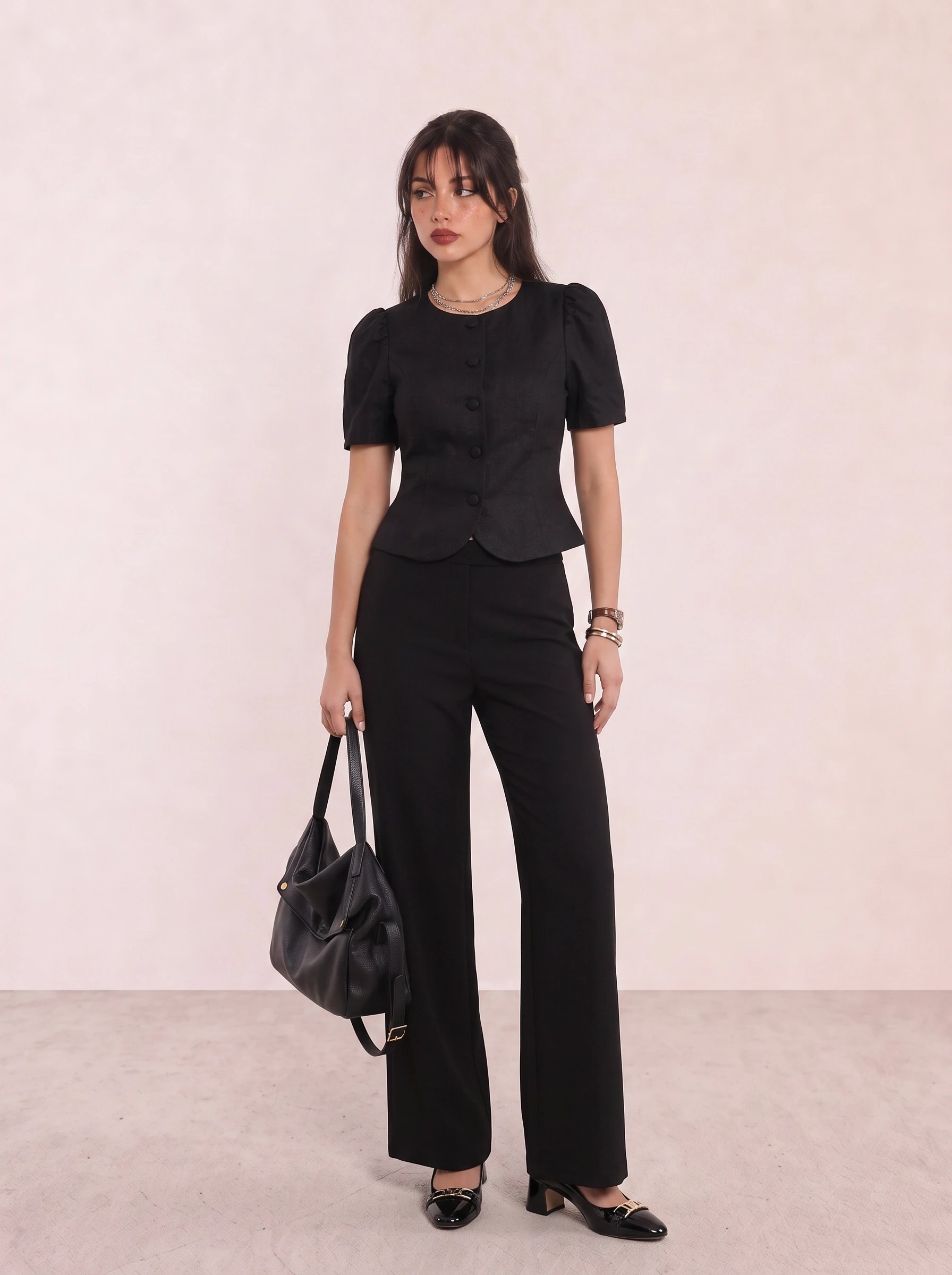
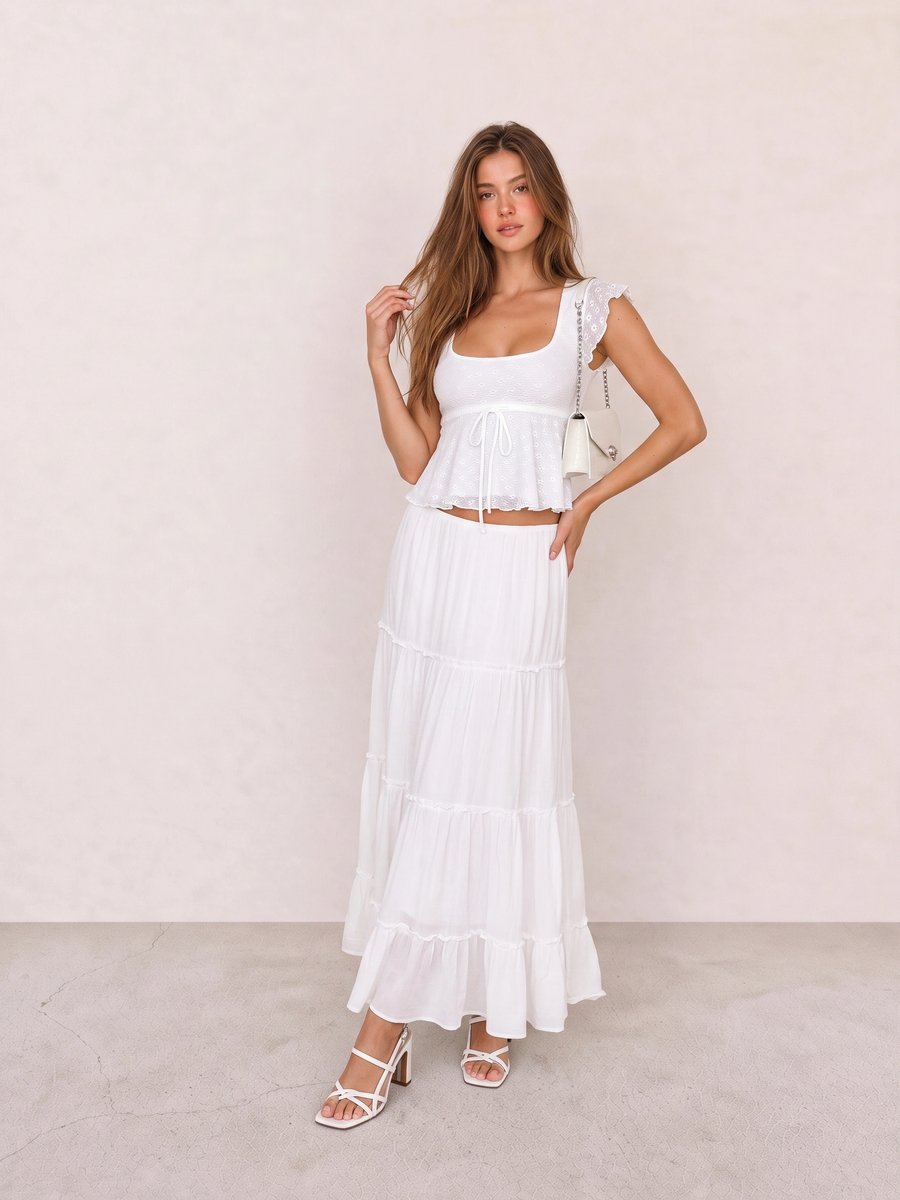
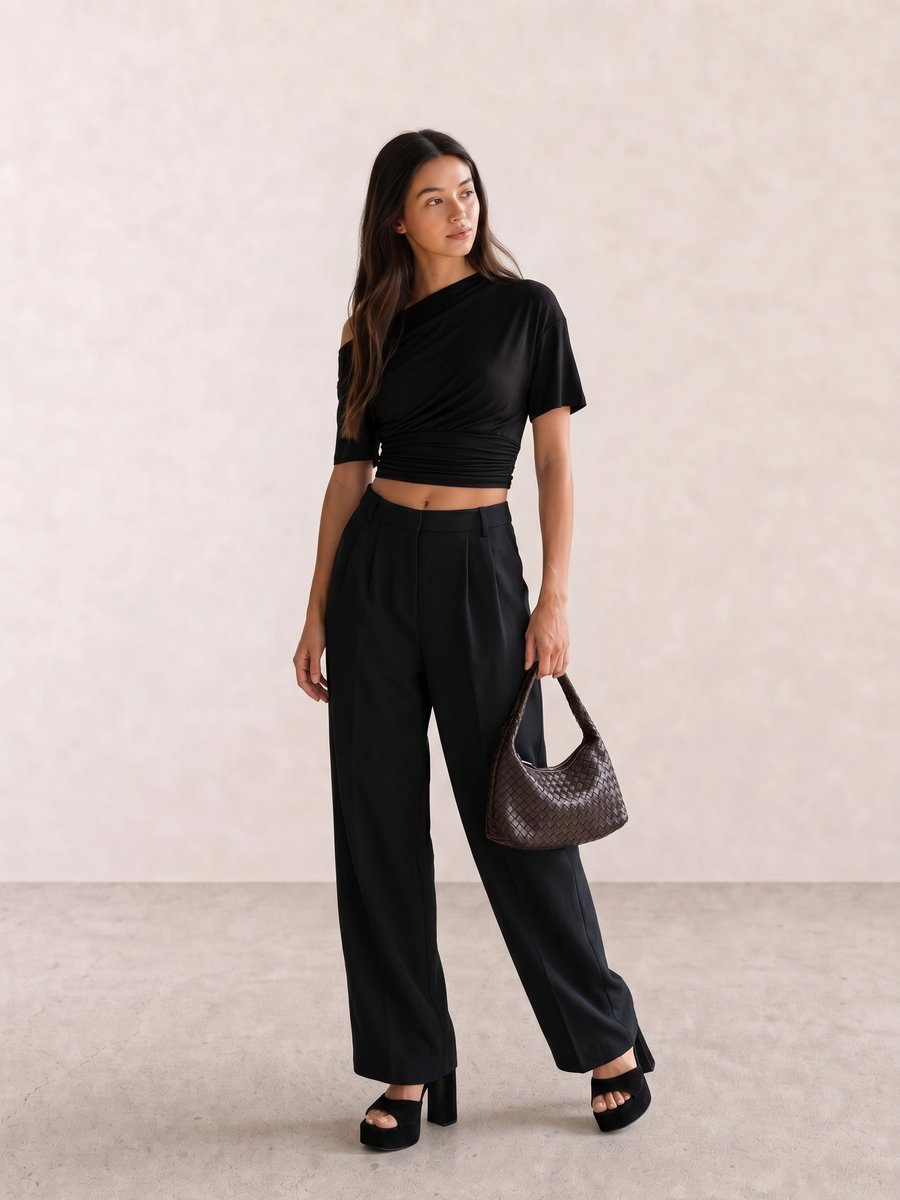
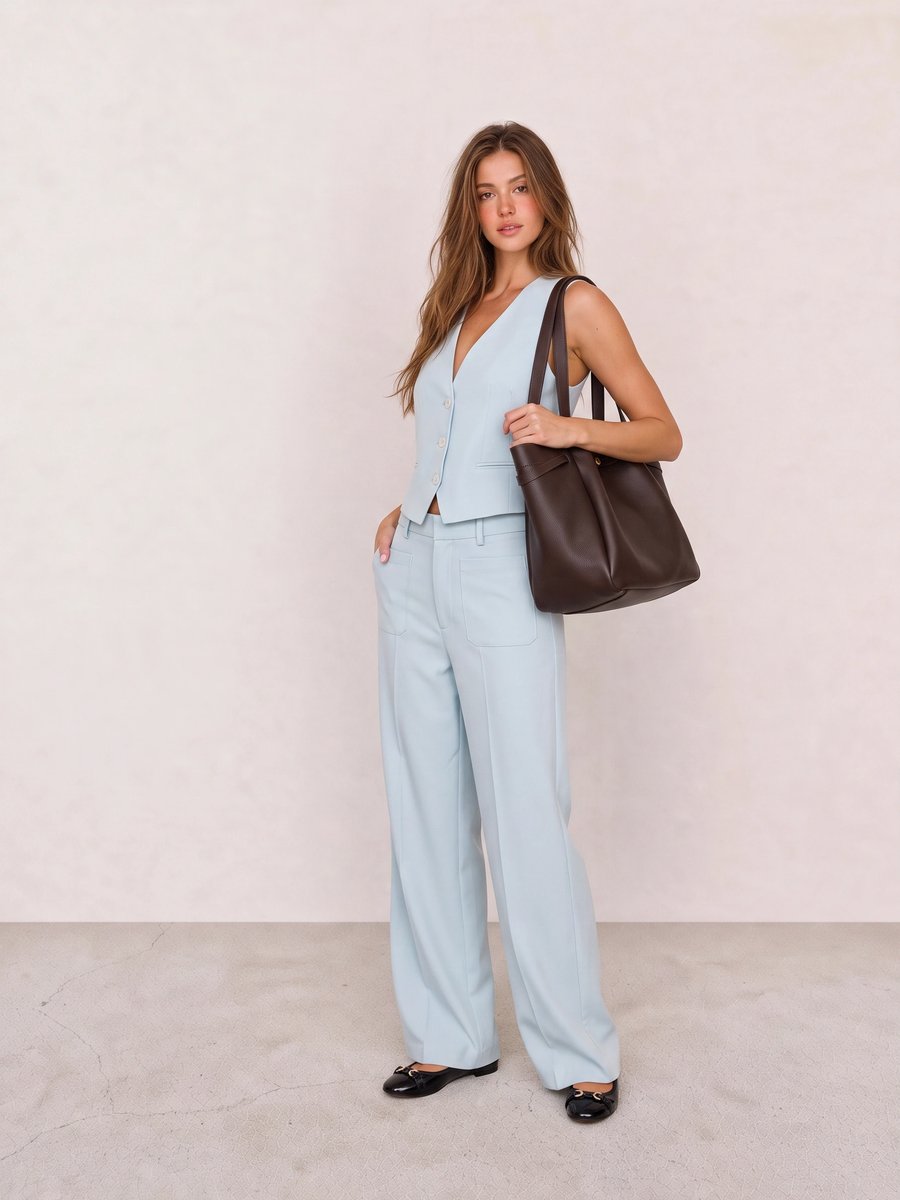
A monochrome outfit is built from a single color family, worn across every visible piece: top, bottom, shoes, and often outerwear or accessories. The key word is family, not match. A true monochrome look plays with tonal variation within that color, not a flat repeat of the exact same shade three times over. Navy trousers, a slightly lighter blue sweater, and a denim-toned coat all count as monochrome. Three identical navy pieces worn together tend to look like a uniform instead of an outfit.
This is the most common misunderstanding about the term. People assume monochrome means "one shade," when it actually means "one hue, many values." Tonal range is what gives a monochrome outfit depth. Without it, the eye has nothing to register as intentional, and the look can read as accidental rather than styled.
Monochrome is also different from "all black everything," a phrase people use interchangeably with it. All black is a subset of monochrome dressing, one of the easiest versions to pull off because black doesn't show tonal shifts the way lighter or warmer colors do. But monochrome as a concept applies to any color: cream, olive, rust, gray, even pink. The principle is the same regardless of which color you choose: one hue, layered through fabric, texture, and shade.
Where the Monochrome Trend Came From
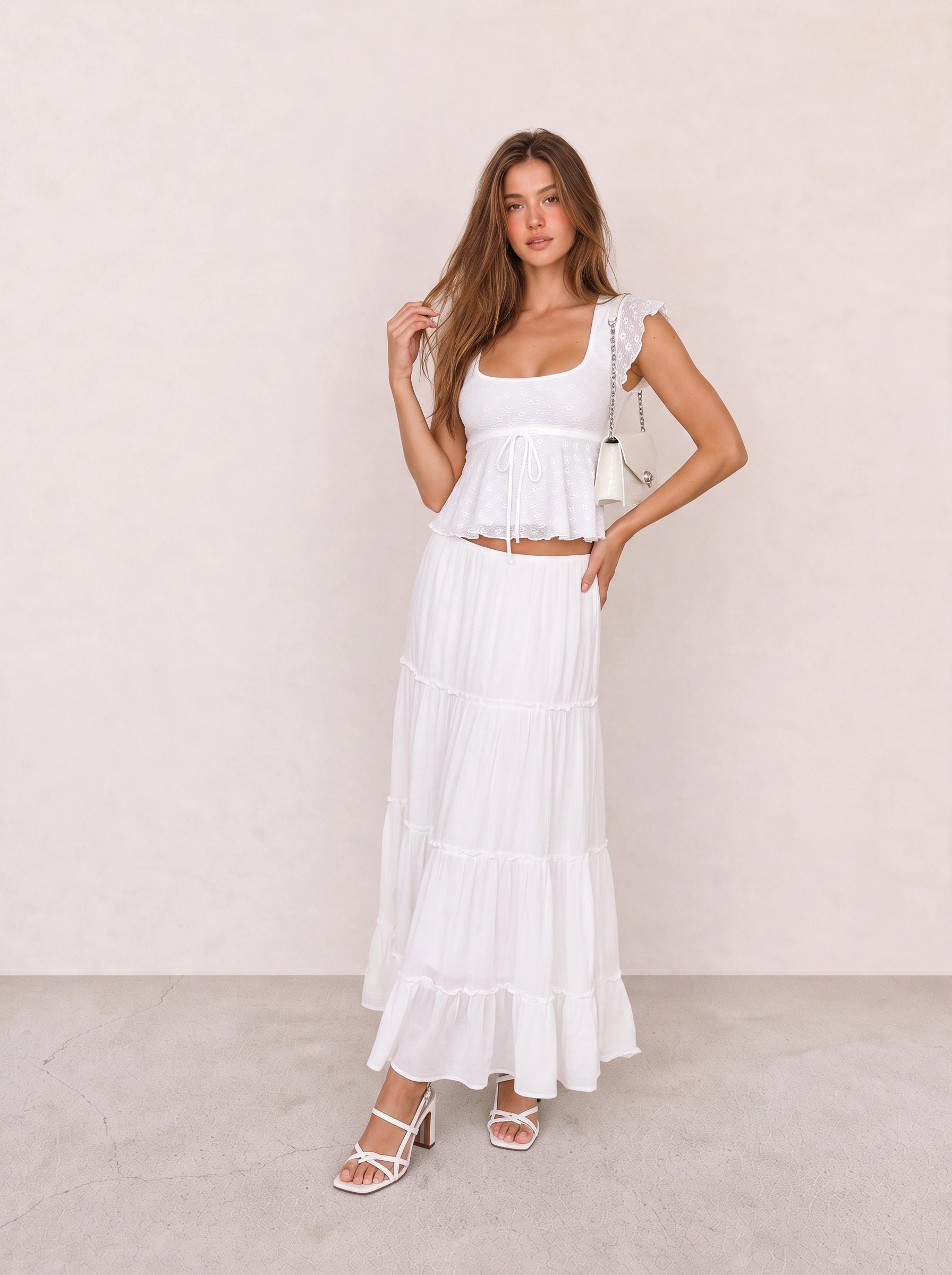
Monochrome dressing isn't new, and treating it as a recent trend misses most of its history. Coco Chanel worked in tonal dressing decades before "monochrome" became a styling buzzword, favoring restrained color stories that let cut and fabric do the talking instead of pattern or contrast. The idea that a single color, worn with control, reads as more expensive than a mix of colors has been a quiet rule in fashion for nearly a century.
The modern monochrome moment owes more to minimalism than to any single decade of fashion history. The 1990s minimalist movement, associated with designers like Jil Sander and Calvin Klein, pushed monochrome dressing into the mainstream by stripping outfits down to color and silhouette alone. That aesthetic never fully left. It resurfaced through the 2010s "all-neutral" street style era and again through the quiet luxury moment of the past few years, where a single tonal outfit became shorthand for restraint and taste rather than a lack of effort.
What's shifted more recently is which colors get the monochrome treatment. Black and gray monochrome dominated for years because they're the safest, most forgiving options. The current interpretation leans warmer: head-to-toe camel, head-to-toe rust, tonal cream. This shift says something about where fashion is heading generally, away from stark minimalism and toward a softer, more lived-in version of the same restraint.
How to Wear a Monochrome Outfit
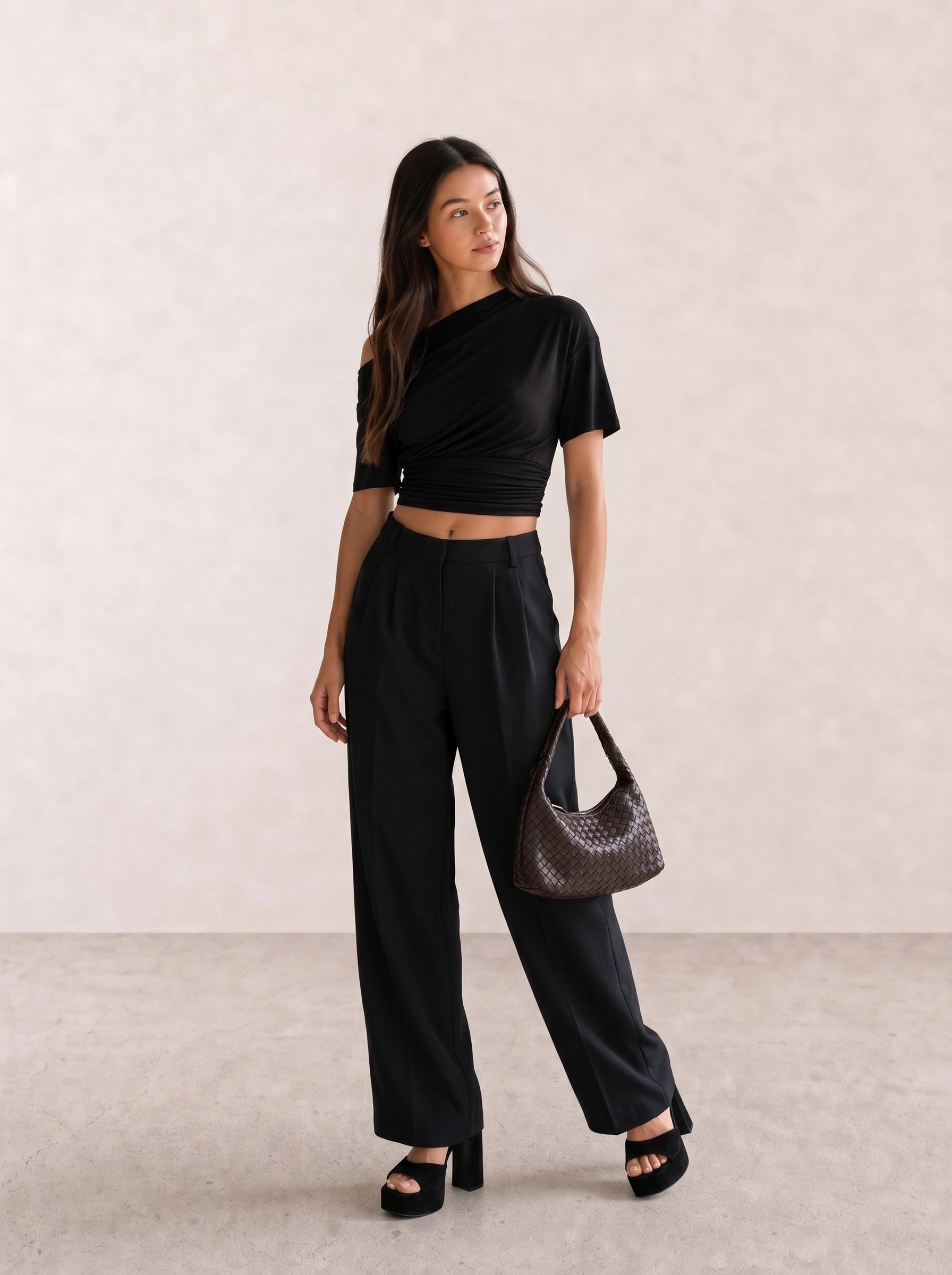
The easiest entry point into monochrome dressing is texture, not shade. If you're new to this, pick one color and gather pieces in different fabrics: a knit sweater, a leather bag, a matte cotton trouser. Texture does the work that pattern usually does in a normal outfit. It gives the eye something to track without breaking the color story.
Tonal variation matters more than most people think. A monochrome outfit built entirely from one exact shade tends to look flat under most lighting, almost like a uniform. Introduce at least two values of the same color, a lighter piece near the face and a deeper shade lower down, and the outfit reads as styled rather than coincidental. This is a rule with a real mechanical reason: a single flat shade gives the eye no anchor point, so the outfit disappears into itself instead of holding shape.
Fabric weight is worth paying attention to as well. A monochrome outfit made entirely of similar-weight fabrics, all cotton or all knit, can look stiff or costume-like. Mixing weights, a fluid silk shirt with structured wool trousers in the same tone, keeps the outfit moving rather than reading as a single flat block of color.
Neutral colors like black, gray, cream, and camel are the most forgiving starting points because tonal shifts within them are subtle and hard to get wrong. Bright monochrome, all red or all cobalt, is more advanced. It demands more attention to undertone, since two slightly different reds can clash rather than complement, something that rarely happens with neutrals.
Related Styles and Outfits
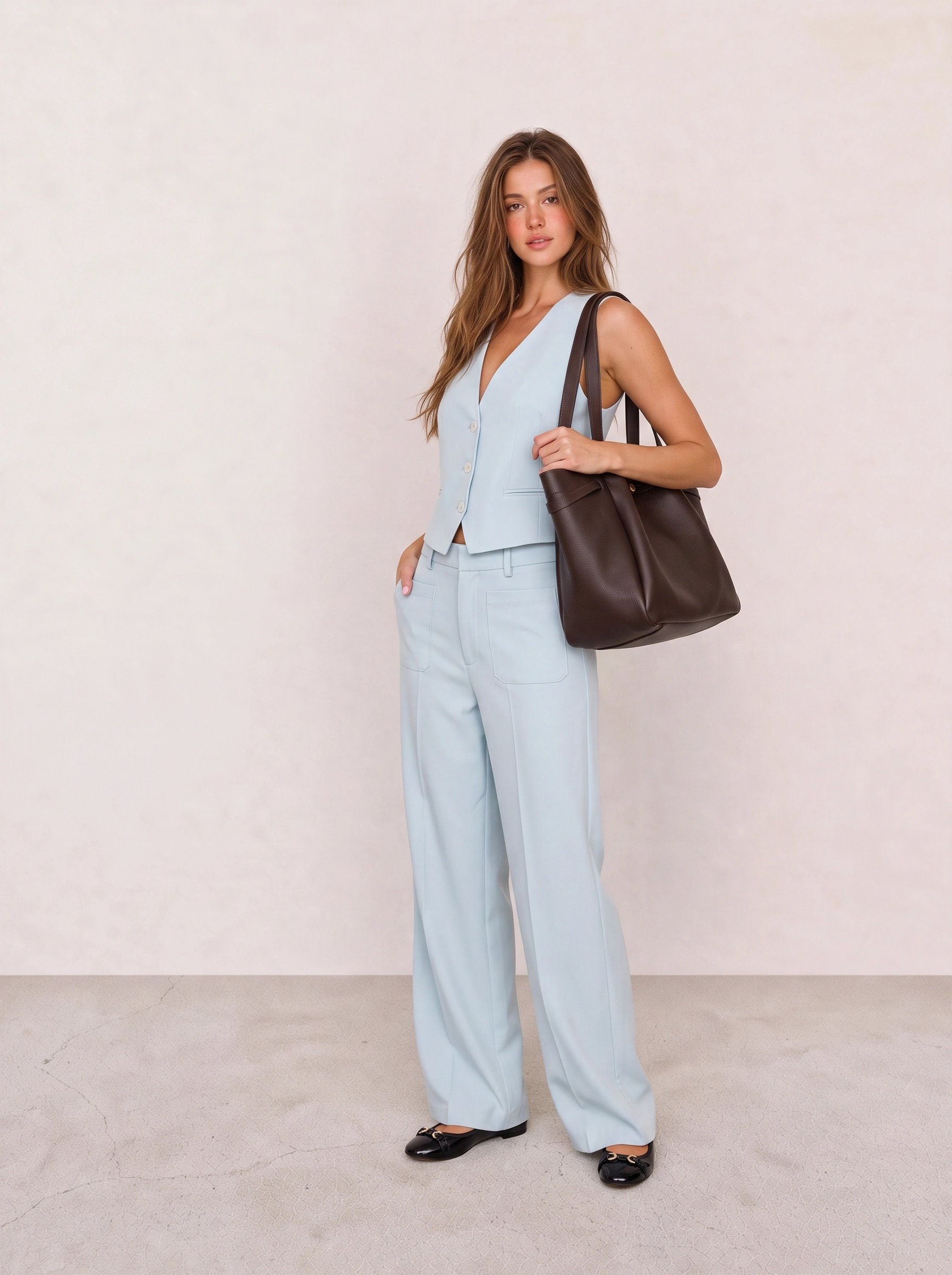
Monochrome dressing overlaps heavily with minimalist style, since both rely on restraint rather than pattern or embellishment to create polish. It also shares DNA with quiet luxury, where the goal is to look expensive without looking like you tried, something a well-executed tonal outfit does naturally because it signals intention rather than effort.
Classic and elegant dressing borrow from monochrome principles too, particularly in the way both prioritize fit and fabric quality over color contrast to carry an outfit. If you gravitate toward monochrome looks, it's worth exploring these adjacent styles through our style galleries, since the underlying skill, choosing quality pieces that don't need pattern to look finished, transfers directly between them.
This connects naturally to capsule wardrobe planning and to quiet luxury, where limited color and better fabric do most of the styling work.
Common Monochrome Outfit Mistakes
The most common mistake is choosing shades from the same color family that don't actually share an undertone. A cool-toned gray sweater paired with a warm-toned gray trouser can look mismatched even though both pieces are technically "gray." This is more common in neutrals than people expect, since gray, beige, and cream all span a wide range of undertones.
Another frequent error is skipping texture altogether. An outfit made from three pieces in the same flat, smooth fabric and the same exact shade can look less like a considered outfit and more like loungewear. Texture and tonal range are what separate a styled monochrome look from one that just happened to end up all one color.
Overaccessorizing is a trap specific to monochrome dressing. Because the outfit already carries visual interest through tone and texture, adding a busy bag, a patterned scarf, or multiple statement pieces on top of it usually competes with the color story instead of supporting it. One accessory, ideally in the same tonal family or in a true neutral like black or gold hardware, tends to work better than several.
A last mistake worth naming is treating monochrome as an excuse to skip fit. Because the outfit reads as polished through color alone, ill-fitting pieces stand out more in a monochrome look, not less. Baggy or boxy shapes in an unbroken color read as sloppy rather than relaxed, since there's no pattern or contrast to distract from proportion.
Does monochrome mean all black?
No. All black is one version of monochrome dressing, but the term applies to any single color worn across an outfit, including cream, olive, camel, or red. The defining feature of monochrome is one hue expressed in multiple shades and textures, not a specific color choice.
Is a monochrome outfit the same as a capsule wardrobe?
No, though the two ideas complement each other. A capsule wardrobe refers to a small, coordinated collection of clothing built to mix and match across seasons, while a monochrome outfit describes a single styling choice built around one color family. Many capsule wardrobes are built around neutral, monochrome-friendly colors, which is likely why the two concepts get confused, but one describes a wardrobe strategy and the other describes a single outfit decision.
Weekly outfit picks and style guides — no fluff, unsubscribe anytime.